Search This Website

Showing posts with label Festival History. Show all posts

Sunday, June 10, 2018

Ramadan Eid Significance - Muslims fast during Ramadan - History of Ramadan Eid or Eid al-Fitr - Images

Ramzan commemorates Prophet Mohammad's first revelation of the holy book of Quran.During the month-long event, practising Muslims observe roza, which is abstinence from food and water, from dawn till dusk and break their fast in the evening with a meal called Iftar. Iftar fare includes food, exclusively prepared for the occasion. Organised either within one's home or in a public space, it is a time for grand eating and merrymaking. Eid or Eid al-Fitr marks the end of Ramzan.

Ramadan Eid Significance


Eid al-Fitr signifies the completion of Ramadan, which is the holy month for the Muslim community. Muslims fast during this month for 29-30 days. Therefore, the festival of Eid al-Fitr symbolises the completion of fasting throughout the Ramadan month. Usually, the festival day shall fall on the opening day of the Shawwal month. The beginning date of the month of lunar Hajri fluctuates on the basis of the annotations of a new moon by religious bodies. The accurate date for celebrating the festival varies from locality to locality. Muslims entrust that they have been commanded by the God to fast during the Ramadan month. Other names of Eid al-Fitr include Eid ul-Fitr, Id-Ul-Fitr and Eid.

Why do Muslims fast during Ramadan ?

Ramadan is seen as a time of spiritual reflection, improvement and increased devotion and worship.Muslims are expected to put more effort into following the teachings of Islam and this includes fasting - which teaches people how to be more self-disciplined and have empathy for those less fortunate.The pre-dawn meal before the fast is called the suhur, while the meal at sunset that breaks the fast is the iftar.

History of Ramadan Eid or Eid al-Fitr

Legend has it that in the year 610 AD when Prophet Muhammad was meditating on Mount Hira that Angel Gabriel appeared in front of him and referred him as Muhammad and pronounced him as the 'Messenger of God'. The Angel enlightened him on the preaching's of Quran and declared that he will be spiritual guiding light for men and women by spreading the message of Allah. It has been believed that this incident took place in month of Ramadan which gave rise to the formation of a new religion. Muhammad was at first very disturbed and misunderstood it as an evil forces. It took many people to convince him before he accepted and followed the spiritual path. Many of his followers have said that Muhammad used to be visited frequently by the seraph Gariel during the remaining years of his life to teach him the recitals of the Quran. He would often refer to the preaching's as a set of conventional rules that the Lord almighty would want his people on earth to adhere too and lead their lives based on these code of conducts. It was his strong belief that it was the only way that will lead a Muslim to path of righteousness. In the years to come Muhammad declared the month of Ramadan as the most holy days in the calendar and requested his disciples to pay homage to Allah for the divine knowledge given to them. He asked his devotees to observe a pious way of life by abstaining from taking food, devoting there time towards prayers and refraining from indulging in any kind of austerities. Thus, this how the festival came into existence and even today, holds great importance to the Muslim people.
Read More »

Tuesday, December 19, 2017

Kishan Diwas-National Farmer's Day-Ch.Charan Singh Jayanti- Date- About Kishan diwas-Celebration-History-Whats app Sms-Greetings-Pictures

Kishan Diwas-National Farmer's Day-Ch.Charan Singh Jayanti- Date

Kishgan Diwas known as National Farmer's Day and Ch.Charan Singh Jayanti.It is celebrated 23rd December every year and everywhere.Kishan Diwas celebrate the birth anniversary of the fifth prime minister and kishan leader, late Chaudhary Charan Singh.

About Kishan diwas-Celebration

December 23 has been declared as a public holiday in Uttar Pradesh.Homage is paid to the brave leaders of the past who worked for the welfare and growth of farmers.Several seminars, exhibitions and workshops are organized on this day by the government as well as rural development associations to ensure development in agriculture.Agriculture extension officers and agricultural scientists interact with farmers in villages and provide them information about the latest agriculture insurance schemes.

History of Kishan diwas

The Jat icon, Charan Singh belonged to a peasant family, which made him relate himself with the problems of the farmers. Consequently, he did his best to support them.He served as the Prime Minister of India from 28 July 1979 until 14 January 1980. As the Prime Minister of India, he never faced the Lok Sabha.Budget 1979: The budget was designed to fulfill the demands of farmers in all respects. It introduced many policies in favor of farmers. He was able to bring together all the farmers against the landlords and moneylenders.The Agricultural Produce Market Bill was introduced by him in the Assembly. It was meant to guard the welfare of farmers against the avarice of dealers.He articulated and enforced the Zamindari Abolition Act.He led the battle against the collectivist land-use policies of Jawaharlal Nehru to save Indian farmers.As a writer: He was also a very effective writer and penned his thoughts on farmers and their problems and solutions.Charan Singh died on 29 May 1987. 

Kishan diwas Whats app Sms 
A man is not paid for having a head and Hands,
but for using them
Happy Kishan Divas
Happy Farmer's day      

All of Farmers 
Wishes all of Happy Kishan Diwas
Happy Farmer's Day

Kishan diwasGreetings-Pictures


Read More »

Friday, August 25, 2017

Onam Festival History,Onam Rangoli, Onam Full Name,Onam Rangoli Images

Onam Festival History

Onam is the state festival of Kerala. Celebrated in the first month ‘chingam’ according to the Malayalee Calender, it is also the annual harvest festival of the state. The festival falls in the month of August to September according to the Gregorian calendar. The celebrations of Onam go ten days long up to Tiruvonam and in some cases to twelve days long until chatayam (twelfth day). The celebrations of Onam include elaborate rituals, music, dances, sports, boat races and of course scrumptious foods. There are several legends and stories attached with the festival. Read on to explore more about the festival of Onam i.e. its history, its origin and its significance.


Onam has been a part of Malayalee culture for centuries. The earliest record of the festival that has been found belongs to the reign of Kulasekhara Perumals around i.e. around 800 AD. However, there are great possibilities that the festival was celebrated before this period also. Any ways, due to lack of physical evidences, it has been assumed that the festival started somewhere around 800 A.D. as the harvest festival of the state. However, there are so many legends and stories attached with the day that it seems that the festival has been a part of the region ever since its origin.

Onam Celebrations has two most important significances in context of the Malayalee culture. First of all, it is celebrated as the harvest festival of the state. It reminds one of the golden age of prosperity when the entire month of Chingam (the month of Malayalee calendar that corresponds to the August- September time of Gregorian calendar) was celebrated as the Onam month. It was the time when the farms of the state produced excess of food grains and brought prosperity and riches to the state. Arriving after the rain-drenched month of Karkidakam (July-August), Chingam was welcomed with much enthusiasm by the people of Kerala. 

The second and the most popularly quoted legend with the festival is related to the demon king, Mahabali. It is said that Mahabali was a generous and kind hearted king of Kerala. He was powered by a boon granted to him by Lord Brahma, he was invincible and thus gradually won over the entire earth. Soon after he won the earth, he also won the territory of heaven and became its king. He gradually rose up to become the undisputed ruler of all the three worlds. It was the time he inflicted violence upon the gods. Lord Vishnu then decided to overthrow Bali from his powers. He went to Bali in the form of a Brahman as he knew that the king rejoiced in doing good deeds and giving alms to the poor. He asked for three feet of land from the Demon king to which the king readily agreed. 
 
Gradually, he Brahaman increased in size. In one step, he measured the entire earth and in the other he covered the entire heaven, he then asked Bali that where should he put the third step. Bali, a man of his words, then laid down his head and asked Brahman to step his foot on his head. Vishnu disguised in the form of Brahman, thus appeared in front of Bali and offered him the Kingdom of the nether world. However as Bali was very much in love with the people of his kingdom at earth, he asked Vishnu to give him a boon so that he can visit the earth once a year to which Vishu readily agreed. Bali, since then is believed to come to earth in the month of ‘chingam’ according to the Malayalee calendar and the entire festival is celebrated to welcome their dear king Mahabali to earth.

Onam Festival Full Name

O-ORumayude
N-Nanmayude
A-AGhoshangalude
M-Malayaliyude

Onam Festival Rangoli

Rangoli or Kolam is one of the most popular arts in India. It is actually a kind of decorative motif made by using finely ground white powder, colors and flowers. A Rangoli can be either a wall art as well as floor art. The patterns in a traditional Rangoli are usually derived from nature. The most popular Rangoli motifs are peacocks, swans, mango, flowers, creepers, etc. Traditionally the dyes for the Rangoli are derived from natural like barks of trees, leaves, indigo, rice flour, vermilion and turmeric powder etc. However, these days the use of synthetic dyes has become extremely popular. It is considered auspicious to make a Rangoli or Kolam on the festive occasions. In Kerala, Pookalam, the flower Rangoli is thus made on the occasion of Onam.

Onam Festival Rangoli Images

Related Links

Read More »

Monday, July 10, 2017

World Population Day, World Population Day Date, History ,Facts and Quotes,Population Facts

World Population Day Date

The World Population Day 2017 and every year will be celebrated on July 11 with the theme ‘Family Planning: Empowering People, Developing Nations‘. This year, the theme of World Population Day aims at providing safe, voluntary family planning to the people around the world and in a way, help in curbing the population growth. While the world population, today, stands over 7 Billion. While India stands at number two with nearly 1,129,866,154 in the list of most populous countries, China remains at rank one with a population of nearly 1,321,851,888.

World Population Day History

In 1987 there was an event called “Five Billion Day”, which recognized when the human population boiled over the 5 billion mark. Since then the United Nations Development Programme has been working to anticipate, support, and offset the needs of a rapidly growing population. The population had been deemed to be growing out of control, and an awareness was being spread about the need for family planning, ways to offset poverty, and the ability to ensure that proper maternal health was observed.


The existing strain of supporting our present population is already causing grievous crimes in the areas of human rights and gender equality. As more people come into an a world that’s already doing a poor job of taking care of its citizens, there are more and more of them coming vulnerable to human rights violations such as human trafficking and child labor. World Population Day reminds us that we are part of an ever growing world, and that to ensure there’s a great future ahead for any of us, there has to be a great future for all of us.  
  
World Population Day Facts and Quotes

The theme for World Population Day in 2015 was Vulnerable Populations in Emergencies. The UN's 2015 vulnerable populations include displaced refugees and women/girls.

China and India are by far the most populous countries on the globe. With 1.4 and 1.3 billion inhabitants, respectively, both countries are home to about 37% of the world's people.
The annual growth rate of the world's population peaked at 2.1% in 1962 and since been decreasing. It is estimated that by the year 2100, the population will slow to 0.06% annual growth.

According to the United Nations, India is expected to become the world's largest country by 2028 with 1.45 billion inhabitants.

"We are in a bottle of overpopulation and wasteful consumption that could push half of Earth's species to extinction in this century". E.O. Wilson, naturalist and biologist.

Population Facts

60% of the world’s population resides in Asia.
17% of the world’s population resides in India.
20% of the world’s population resides in the People's Republic of China.
12 % of the world’s population resides in Africa.
11% of the world's population resides in Europe.
8% of the world’s population resides in North America.
5.3% of the world’s population resides in South America

World Population Day Pictures


Read More »

Thursday, May 11, 2017

Sri Vithappa Fair | Sri Vithappa Fair Date | About Sri Vithappa Fair | History | Celebration | Importance | How to Reach | Pictures

Sri Vithappa Fair Date | About Sri Vithappa Fair

Sri Vitthappa Fair is held in October Month Every Year and Large Celebration in Vithappa Village of Karnataka State of India.

Location: Vithappa, Karnataka
Time: September-October (Hindu month of Aswija)
Significance: Held in honor of Sri Vithappa
Highlights: Village fair and religious procession accompanied by drummers
How to Reach by Air:The Nearest Airport is  Belgaum Airport ( 192 KM)
How to Reach by Rail: The Nearest Railway station is Bagalkot Railway Station .
How to Reach by Road: There are many public and private vehicals available to reach here. 


Vithappa Fair is Celebration in Vithappa Villege in Karnataka India.Vithappa Fair is Large Three Days Celebration in Karnataka.People of the village of Vithappa in Karnataka hold the Sri Vithappa fair in honor of the eponymous deity of the village. The fair, which is held for three days immediately after the traditional festival of Shigi Hunnive, attracts a large congregation of devotees from adjoining areas.

As per the religious observations, a procession is taken out with devotees carrying the holy deity in a palanquin. The procession is accompanied by about 60 parties of drummers assembled from different parts of the state. Devotees offer animal sacrifices to appease the deity of Vithappa. The Pujari sells them and the amount realized is credited to the temple funds.


This fair takes place immediately after the traditional festival of Shigi Hunnive. Thus is attracts a lot of crowd.The fair holds a folk and religious importance. The main feature of the fair is the religious procession followed by drummers.The procession is taken out in the day of the festival and people follow the procession in huge crowds. The deity is being carried in a palanquin. 60 parties of drummers assemble at the village from different parts of the country to follow the procession during the festival.Sacrifice if animal is a very common ritual of the festival. The animals for sacrifice are available from the priests who sell them. The amounts raised by selling the animals are accredited to the temple funds.

Devotees who come to Sri Vithappa Fair believe that if the milk which they bring for offering turns into curd before offering then it is considered as good omen.

During Sri Vithappa Fair there is another ritual of collecting grains from a container kept in the temple by any person in Chunchanoor village and if these grains are sowed in the field good crops are expected to yield.

History of Sri Vithappa Fair

Devotees offer animal sacrifices to appease the deity of Vithappa. The Pujari sells them and the amount realized is credited to the temple funds.A number of religious beliefs are associated with the Sri Vithappa fair. Devotees regard it a good portent if the milk brought by them gets converted into curds before offering it to the deity. This fair, which is being conducted for the last 200 years, usually falls on the 14th and 15th day of the month Aswija.

Celebration Sri Vithappa Fair 


The celebration goes on as per the belief of the village people who honor the Vithappa deity. In a Palanquin the deity is brought in a procession accompanied by around 60 parties who come as drummers. They come from various parts of the world and from the different sections of the society who gather in a huge number. Thousands of people from the villages join the celebration of the fair. Sheep is offered by the devotees to the Vithappa deity. The Pujari sell those sheep later on and the revenue generated from the selling is collected for the purpose of the temple. The funds are created in the name of the temple. Not only this, but there is also a tradition where the devotees get along pure milk and it is a belief that if it gets converted in curd before it is offered to the deity then it is good sign or a positive omen.

Importance Sri Vithappa Fair

This fair is held in the honour of Vithappa, the deity of the village, Vithappa. It is a three days festival and about 7 to 8 thousand people gather during the fair. This fair has a religious and folk importance.Sri Vithappa fair is held in honour of Vithappa deity of the village. time. The deity is taken out in a palanquinin a parade accompanied by about 60 parties of drummers from different parts of the state. The devotees offer sheep to the deity. The Pujari sells them and the amount realized is credited to the temple funds. Devotees bring pure milk and they consider it a good omen if it gets converted into curds before offering it to the deity. Another feature of this fair is that a person from Chunchanoor village picks out some grains in his palm from a number of bags kept in the temple. The grain he picks out is then to be the harvest which will have wealthy yield that year.
Read More »

Tuesday, May 9, 2017

National Technology Day Date | About National Technology Day | History | Celebration | Pictures

National Technology Day Date

National Technology Day is celebrated on 11thMay every year across India.

About National Technology Day

National Technology Day is a very special day for Indian Technology since 1999. It is so significant because India achieved a huge technological advancement on the day. The first, indigenous aircraft “Hansa-3” was test flown at Bangalore on this day. This day is also celebrated to honur technological innovations and their successful commercialization which takes the fruits of  research to reach to people at large.The day glorifies the importance of science in day to day life and motivates students to adopt science as the career option.


Several events are organised in various engineering colleges and technical institutes to mark the occasion. Lectures, competitions, quizzes, presentations and interactive sessions on different aspects of science are organized all over the planet. The day is important for scientists, engineers, planners and all others engaged in governance and nation building. 

History of  National Technology Day

On May 11, 1998, three nuclear tests were carried out at Pokhran in Rajasthan and the subsequent two tests were carried out on May 13, 1998. The nuclear tests were marked as great achievements in the field of science and technology. Since then, May 11 is celebrated as National Technology Day every year, to mark this achievement of mastering nuclear weapons.

National Technology Day Celebration

11th of May is being celebrated as the National Technology Day because it was on 11th of May 1998 that we had the Pokhran-II. The nuclear test was a clear attempt at India expressing its determination to join the nuclear club and come out of the ambiguous position of being power that kept its nuclear option open.Nuclear power represents perhaps one of the most powerful technologies developed in the 20th century and this was a technology that is not easily available. The success of India in a developing nuclear power not only represented India developing its own technological muscle but also success in an area which is strategically important. 


Kerala State Council for Science, Technology and Environment (KSCSTE) is co-ordinating the State level activities in connection with the observance of national Technology Day. Proposals from Vocational Higher Secondary Schools, Govt ITIs, Govt. Polytechnics, Govt./ Aided Engineering colleges, Research Organizations, Registered NGOs etc, in the Kerala State are selected for the celebration of National Technology Day. The programmes are planned to generate awareness among the students, academia,general public, etc. about the importance of Science Day and based on the focal theme through lectures, seminars, Quiz programmes, exhibitions, films shows, debates, folk forum communication, elocution etc.
Read More »

Thursday, April 20, 2017

Vallabhacharya Jayanti | About Vallabhacharya Jayanti | History | Vallabhacharya Life Style

About Vallabhacharya Jayanti

Shripad Vallabhacharya is particularly known as the founder of the Pushti Marg, a sect of the Hindu Religion, and is one of the five main acharyas who made a significant contribution to the bhakti movement.Vallabhacharya Jayanti is the birth anniversary of Shri Vallabhacharya, the founder of the Pushti sect in India. 


It is observed on Varudhini Ekadasi. It falls in Krishna Paksha of Vaishakh month in North Indian Hindi calendars and Krishna Paksha of Chaitra month in Telugu, Kannada, Marathi, and Gujarati calendars.Vallabhacharya has written sixteen stotras and compiled several commentaries on the Bhagavata Purana as Lilas of Lord Krishna. He is the last of the four great Vaishnava spiritual leaders. The other three saints were – Ramanujacharya, Madhvacharya, and Nimbakacharya.

History of Vallabhacharya Jayanti 

Vallabhacharya taught monism or theShuddhadvaita School of philosophy and it stresses that Shri Krishna is responsible for all animate and inanimate and only through His blessings can a human being attain Moksha. Worshipping Lord Krishna in the form of Shrinathji was introduced by Saint Vallabha.Legend has it that Vallabhacharya during one of his journeys to North West of India noticed a strange phenomenon near Mount Govardhan. 

There he saw a cow daily going to a particular spot in the mountain and shedding milk. Vallabhacharya asked people to dig the place and there they found the idol of Shree Nathji.It is said that Lord Krishna had given darshan to Vallabhacharya in the form of Shree Nathji and hugged him.Some people consider Vallabhacharya as an incarnation of Lord Agni, the fire god. Vallabha laid great stress on Pushti (grace) and Bhakti (devotion). The followers of Vallabhaacharya worship Bala Krishna, youngKrishna.The important literary works of Vallabhacharya based on the principles of Pushtimarg include Vyasa Sutra Bhashya, Jaimini Sutra Bhasya, Bhagavata Tika Subodhini, Pushti Pravala Maryada and Siddhanta Rahasya. Vallabhachraya wrote in both Sanskrit and Brij language.

Vallabhacharya Life Style

Shri Vallabhacharya was a great saint of Indian history. He was the founder of Pushti sect or Pushtimarg. Shri Vallabhacharya is one of the most famous saint belongs to the Vaishnava sect. Shri Vallabhacharya Jayanti is the celebration of the birth day of Shri Vallabhacharya.He was the great saint and believed to worship lord Krishna. The birth day of Shri Vallabhacharya is as on 10th of April month according to his teaching school. This date varies each of the years according to Hindu calendar.He was prayed a famous form of lord Krishna as Shrinathji. According to his ritual thoughts just worshiping of lord Krishna is the way to get Moksha. There is a famous belief that the saint Shri Vallabhacharya got a Darshan of lord Krishna.


Shri Vallabhacharya thought about monism and about a school of philosophy named Shuddhadvaita. Rajasthan and Gujarat states of India are the major places of Vaishnavas. There are some places of Shrinathji following the sect of Pushti.In Nathdwara there is a popular temple of Shrinathji which is a part of Pushtimarg or Pushti sect. this is the place which is famous among Vaishnavas.Some of the other temples of Lord Krishna in Gujarat are also famous for this sect of Pushti. People from Vaishnava religion celebrate Shri Vallabhacharya Jayanti with a great pleasure each year.
Read More »

Wednesday, April 19, 2017

Significance ,Legend and History of Sheetala Ashtami Vrat

Significance of Sheetala Ashtami

 
Sheetala Mata is known to cure ailments such as chicken-pox and small pox and measles. The Goddess seated on a donkey is seen holding neem leaves, broom, soup and a pot. Her magnificence has been mentioned in several religious scriptures. In the Skanda Purana, the benefit of worshipping Goddess Sheetala has been explained in details including Sheetala Mata Stotra or Sheetalashtak which was written by Lord Shiva. The day is dedicated to worshipping Goddess Sheetala. By worshipping the Goddess, devotees can prevent the outbreak of epidemic diseases, especially among children. 

Legend of Sheetala Ashtami


A king named Indralumna was ruling Hasthinapur. His daughter Shubhakari was married to prince Gunvan. Once, the king invited them to observe Sheetal Ashtami. The couple left for a lake and performed the vrat with devotion. Pleased with their dedication, Goddess Sheetala appeared before them and granted a boon to Shuhbakari. On their way back, Shubhakari saw a family of priest grieving over the death of the priest due to snakebite. Shubhakari used the boon to revive the priest from death. Locals realised the power of the Sheetal Ashtami vrat, and they too observe the vrat with great faith.

History of Sheetala Ashtami 


One story says Goddess Durga has incarnated as little Katyayani, the daughter of sage Katyayan to destroy all arrogant evil demonic forces of the world, in her real form as Durga, she killed many demons that were sent by Kaalkeya.

A demon named Jwarasur, the demon of fever, started spreading incurable diseases to Katyayani's childhood friends, such as cholera, dysentery, measles, smallpox etc. Katyayani cured the diseases of some of her friends. To relieve the world from all fevers and diseases, Katyayani assumed the form of Shitala Devi. Each of her four hands held a short broom, winnowing fan, jar of cooling water and a drinking cup. With her power, she cured all the children's diseases. Katyayani then requests her friend, Batuk to go out and confront the demon Jwarasur. A battle ensued between the young Batuk and demon Jwarasur. Jwarasur succeeds in defeating Batuk. Then, Batuk, lying dead, magically faded into dust. Jwarasur was shocked that Batuk disappeared and wondered where he went. Then, what he doesn't know that Batuk has assumed the form of an awful male figure. This person was three-eyed and had four arms. He held a battle-axe, sword, trident and demon head. He was pitch-black in color. His hair was flowing. Eyes blazed with fury. This figure wore a tiger-skin and a garland of skulls. Batuk assumed the form of Lord Shiva's ferocious form, the terrible Bhairav. Bhairav reprimands Jwarasur and tells him that he is the servant of Goddess Durga (Katyayani). A long discussion ensued but then converted into battle. Jwarasur created many demons from his powers but Bhairav managed to destroy all of them. Finally, Bhairav wrestled with Jwarasur and killed him with his trident.
Read More »

Monday, February 20, 2017

Khajuraho Dance Festival Date | About Khajuraho Dance Festival | History | Celebration | How to Reach

The Khajuraho Dance Festival is the celebration of the traditional dance forms against the backdrop of the UNESCO World Heritage Sites. The cultural presentation is an intriguing spectacle of art and traditions of India presented in the form of dance.Here is Some Information about Khajuraho Dance Festival  like Date,Location,Contact Information,How to reach and celebration. 


Location: Khajuraho Madhya Pradesh
Date : Feb 20 2017 to Feb 26  2017
Main Attraction : The most important cultural event in Khajuraho
Duration: 3 Days
How to Reach by Air: The Nearest Airport is Khajuraho City Aorport(12 KM).
How to Reach by Rail: The Nearest Railway station is Khajuraho City Railway station.
How to Reach by Road: There are many public and private vehicles are available to reach there.

More Information about Khajuraho Dance Festival

Khajuraho Dance festival highlights the richness of various Indian classical dance styles such as Kathak, Bharathanatyam, Odissi, Kuchipudi, Manipuri and Kathakali. Also, there are performances from some of the best exponents in the field. Apart from the traditional classical dance forms, the modern Indian dance has also made it to the list.  

The Khajuraho Dance Festival is the celebration of the Indian traditional dance forms. Classical Indian dance originated in the ancient temples. The intriguing temples of Khajuraho have a mesmerizing association with dance as the art form has been glamorized and immortal in the exquisite stone carvings here. Khajuraho temples therefore serves as the idyllic backdrop of the art genre. As the hard winters make for warm spring, the Khajuraho Dance Festival is organized. Audiences from all over the world are drawn to the cultural extravaganza of Indian classical dance forms, music and art. Celebrate the art of dance against the backdrop of the UNESCO World Heritage Site of Khajuraho.

History of  Khajuraho Dance festival


The history of Khajuraho takes you back between the periods of 10th century to 12th century, during the era of Chandela Monarchs. Let’s not go deep into the medieval era of the rich Indian history but something that offer a feast for the eyes and pamper our prurience are the Khajuraho Group of Monuments, one of the UNESCO World Heritage Sites of India and also listed one of the seven wonders of India. To be precise and flaring a bit out from the history of Khajuraho Group of Monuments, there were originally 85 temples those were built over a span of 200 years beholding the erotic sculptures crafted by Chandela artisans. Over the decades, today there are only 25 temples scattered over a sprawling landscape and reflects a fine example of Indian architectural styles.

Celebration of Khajuraho Dance festival


The Kala Parishad under the Madhya Pradesh government organizes the Khajuraho Dance festival. The celebration brings together many popular classical dancers from all over India. The dance performances comprise intricate foot skills of Kathak, cultured Bharathnatyam, poetic temple dance of Odissi, dance dramas of Kuchipudi and Manipuri and the Kathakali stage fights with elaborate masks. The performances are accompanied by the melodious strains of the flute and tanpura, rhythms of beats of the mridangam and tabla echoed by the ghungroo of dancers. The event is held at open air auditoriums in two of the most popular temples of Khajuraho, the Chitragupta and Vishwanatha Temple.

Khajuraho Dance Festival apart from displaying dance forms gives homage to the numerous unnamed artisans who brought to life the exquisite carvings of Khajuraho. The immortalized carvings are a remembrance to the heritage that withstood the ravages of time. The glory of the art still shines through and draws visitors from all over the globe.

Address and Contact Detail of  Khajuraho Dance festival

Western Group of Temples Area
Khajuraho, Chhatarpur (M.P.)
Phone: +91 94256 49707
Email: khajurahofestival@gmail.com
Read More »

Sunday, February 5, 2017

History of Maha Shivaratri | Significance of Maha Shivaratri Festival

History of Maha Shivaratri

This festival is celebrated to respect Lord Shiva by offering leaves of Bael or Bilva/Vilvam, Bhang, Dhatura, flowers, coconut, fruits, water, cow milk and other things. Devotees keep fast of full-day and full-night and pray to Lord Shiva for their beautiful life partner with healthy and prosperous life. According to the ritual belief and traditions, penances are performed to get benefited in the practice of Yoga and meditation. Kashi Vishwanath Temple in Varanasi is one of the most important places for tourist attractions in the UP state where a big fair is held on at Maha Shivratri in front of the Virla temple and Vishwanath Gali of the old Vishwanath temple.

Another myth of celebrating Maha Shivaratri in Hinduism is that, whole world was facing destruction and more near to the pralaya, and then the Goddess Parvati had worshiped her husband the Lord Shiva to save the world. Finally her prayer was approved by the Lord Shiva and then Goddess Parvati named that night, the Maha-Shivaratri, or the great night of Shiva.

Significance of Maha Shivaratri Festival

Mahashivaratri Festival is of great and tremendous significance for the millions of Hindu devotee’s all over India as well as abroad. It falls every year on fourteenth day of the Phalgun month in the dark fortnight at the end of winter season. This festival is the big festival during which devotees can please the Lord Shiva in order to fulfill their desires. It has another great significance for the Women. Both married and unmarried women keep strict fast for whole day and do Shiva Linga Puja with very honesty to please the Goddess Parvati or Gaura Mata in order to get the marital bliss as well as long, wealthy and prosperous married life. At Mahashivaratri, the marriage of Lord Shiva with Mata Parvati took place in the ancient time, so the Hindu people celebrate this festival by performing the same ceremony every year. People in Varanasi start this ceremony from Mahamrityunjaya temple of Daranagar to the Kashi Vishwanath Temple in Varanasi.

Lots of other ritual activities also are performed by the worshipers of Lord Shiva all across the India. It is considered that devotees who observe strict fast for whole from early morning to next morning in the honor of the God Shiva, they become blessed with their all wishes. Devotees may eat some fruits, milk or juice and water. However, some devotees keep Nirajal fast without eating and drinking anything according to their strong believe and trust to the God. It is also considered that at this auspicious day of Mahashivaratri, true devotees are forgiven by the God for their all sins and gets released with the cycle of birth and death and finally blessed with Moksha.

This festival is especially auspicious for the women. At this day, married women pray to God for the wellness and well being of their Suhaag however; unmarried women pray to God to get good husband in future just like the Lord Shiva means an ideal husband. Devotees of the Lord Shiva wake up in the early morning and take a ritual bath especially in the holy water of river Ganga. They wear fresh or new clothes and go to nearest Shiva temple to offer the Milk Abhishek to the Shiva Lingum and then with honey and water. They also offer some fruits, peach, dhatura, bael patra, bhang leaves, sweets, Ganga jal, etc. They pray to the God to fulfill their long list of wishes. People also sing ritual songs, do arti, drink bhang and dance at music.

The process of worshiping, offering and praying continues whole day long from early morning till night. First of all in the early morning a ritual puja of the Shiva Lingam is performed by the temple’s priests. First they give bath to the Shiva Lingam with milk, yoghurt, honey, ghee, sugar (also called panchagavya) and then with water by chanting the mantra of “Om Namah Shivaya”. Somewhere people give bath to the Shiva Linga with milk, yoghurt, honey, sandalwood paste and rose water. They apply vermilion paste on the Shiva Linga and keep Bilwa leaves (especially three joined leaves in one stalk) on the top in the believe that Goddess Lakshmi resides in Bilwa leaves and it has cooling effects to the hot-tempered deity so it would help devotees in pleasing the Lord Shiva.

Devotees ring temple bells in full sound. Then they allow devotees to come inside the temple and do their ritual. In some cities, a nightlong jaagran is organized at Shiva temples where a big crowd of large number of devotees stay whole night to sing holy hymns and devotional songs praising Lord Shiva and Mata Parwati. And in the early morning, devotees again perform all the ritual like bathing, offering Jal to Shiva Linga, etc and break their fast by taking Prasad offered by priests of the temple.

Significance of Offerings to the Shiva Linga

It is believed that bathing Shiva Linga with panchagavya or milk, honey, water, and bael leaves indicates purification of the mind, body and soul.
Offering Gang Jal represents attaining the enlightenment.
Applying vermilion paste to the top of Shiva Linga after ritual bath represents virtue.
Offering fruits to the Shiva Linga indicates the longevity and fulfillment of the desires.
Offering dhoop batti or incense sticks represents wealth.
Offering ghee diya represents the attainment of knowledge.
Offering betel leaves provides happiness, prosperity and satisfaction.
Offering bhang (which has cooling effect) represents pleasing the Lord Shiva.
Chanting mantras like “Om Namah Shivaya”, “Karpur Gauram Karunavataram, Sansara Saram Bhujagendra Haram, Sada Vasantam Hridayaravinde, Bhavam Bhavani Sahitam Namami”, etc during the worship represents the mind concentration and peacefulness.
Keeping fast at Mahashivaratri represents control over great natural forces, control over desire, anger and jealousy and power to conquer the evil power.
Taking bath in the Holy Gange water represents purification of body, mind and soul.

Related Links

Read More »

Friday, January 27, 2017

Nauchandi Mela(Fair) | About Nauchandi Mela | History | Legend and Rituals of Nauchandi Mela | How to Reach | Pictures

About Nauchandi Mela

Nauchandi Mela started in 1672 AD as a one-day affair mainly for cattle traders. A multitude of activities religious rituals, commercial, artistic and rustic merriment form part of the fair.The fair figured during the First War of Indian Independence in 1857 when one of the prominent figures of the revolt, Nana Saheb, came here to motivate the locals to raise arms against the British. Except in 1858, a year after the revolt against the East India Company, the fair has been held here regularly. 

Nauchandi Mela is a rare symbol of communal harmony with visitors paying obeisance to both the Hindu and Muslim shrines - the Nauchandi Temple and the Dargah of Bala Mian - irrespective of the religion they belong to.The Mela is a delight for the food connoisseur as well. Stalls selling a wide variety of food items from across India are present.

History of  Nauchandi Mela

The fair has its own history and numerous legends and stories are woven around it. It started in AD 1672 as a one-day affair mainly for cattle traders but has since undergone many changes. Cattle trading has been replaced by a multitude of activities-religious rituals, commercial activity, artistic creativity and rustic merriment. 

The mela also figured during the First War of Indian Independence in 1857 when one of the prominent figures of the revolt, Nana Saheb, came here to motivate the locals to raise arms against the British. When the British regained control, they put up posters of Nana Saheb and his warriors at the Nauchandi mela to gain favor of the local populace.According to another story, the East India Company used to put up the fair as a revenue collection center around 1800. And in 1884, F.N.Wright, the then collector of Meerut district started a horse exhibition where thoroughbred stallions were sold. Of course, other activities commensurate with the mela used to be organized to attract prospective buyers. The period of the mela stretches for over a month now. Except in 1858, a year after the revolt against the East India Company rule started from Meerut, the fair has been held here regularly.

 Legend and Rituas of Nauchandi Mela

According to one belief, Mandodari, Ravan’s (demon king of Lanka in the epic Ramayana) wife, was born in a devil’s house in Meerut. She was, however, a great devotee of goddess Chandi and she had a temple erected in her honour. A religious festival was held to celebrate this occasion. Since then the fair has been held every year. 

As the legend of the dargah goes, Syed Salar Masood Ghazi was a commander in the army of Mahmood of Ghazni who invaded India in AD 1017 and proved his mettle in the fight against the local king. During the course of a battle, he lost one of his fingers. Syed Salar subsequently denounced violence, became an ascetic, and took the name Bala Mian. The present dargah was built in his memory in AD 1194 by Qutub-ud-din Aibak, at the spot where his cut finger had fallen during the battle.

The cultural aspect of the Nauchandi Mela is also as important. Every evening some cultural program  or the other is held, which goes on till the early hours of the morning. The mela has had the honor of playing host to artistes like the internationally renowned Pandit Ravi Shankar. Besides, the mela committee has started a few new events like beauty contests, honoring the aged, organizing women's conferences, fireworks and music competitions. Plans are also afoot to set up an art gallery and museum to preserve the historic, cultural and artistic aspects of the mela.
While nautankis (melodramas performed by professional theatre companies) are still staged, the real crowd puller are the musical program with modern orchestra.

How to Reach Nauchandi Mela


By Air : Meerut is situated very close to New Delhi, the seat of Indian Government. Delhi Airport is 60 odd Kilometers from Meerut. Delhi is in turn well connected to rest of India and world through a range of flights operated by various private and public carriers. From Delhi, one can hire a cab and reach Meerut in an hour and half via National Highways 24 and then NH 58.

By Road : Meerut is well connected to the cities like Mathura, Delhi, Chandigarh, Kanpur, Lucknow, Varanasi, Jhansi and Agra etc. Uttar Pradesh State Road Transport Corporation plies several buses to these cities. Various privately run luxury buses are also available.

By Rail: The nearest railway station is Meerut Cantonment Station that falls on the busy Delhi-Dehradun line of North Central Railways. Several Passenger as well as super fast trains connect Meerut to other popular towns and cities in Uttar Pradesh and rest of India. It has direct connectivity to cities like Delhi, Ghaziabad, Agra, Jaipur and Lucknow.
Read More »

Wednesday, December 21, 2016

Lohri Traditions ,Rituals and History

Lohri Traditions and Rituals 

The main ritual during Lohri festival include chanting prayers in front of the fire for abundant crops and taking parikramas (three rounds of the pious fire) while throwing peanuts and sweets in the sacred fire. After this ritual ‘prasad’ is distributed that includes mainly six things- sweets like gur, gazak and revdi, peanuts, popcorn and puffed rice.

The first Lohri of a bride or a newborn baby is considered extremely important in India, which calls for a great feast. Lohri celebrations are never complete without music and dance, and feasting is invariably rounded off with a vigorous bit of shake-a-leg. The traditional dinner on Lohri includes appetizing traditional Punjabi food like 'makki ki roti' and 'baajre ki roti' with 'sarson ka saag'.

Lohri History

There is a very old history behind celebrating the Lohri festival. It marks the occurrence of New Year and start of spring season as well as the end of winter season. People believed that the night of Lohri becomes the longest night of the year from then every day starts getting big and nights gets shorter gradually. It is celebrated in the praise of Dulha Batti who was a Muslim robber in the time of King Akbar. He was used to of stealing wealth from rich people’s home and distributing them to the poor people. He was like hero of the poor people and helpless people as he saved lives of various girls who taken away from their home forcibly by strangers. He helped helpless girls in their marriages by paying dowries. So, people started celebrating the Lohri festival praising the Dulha Bhatti for his lots of helps and great works for poor people.

Occurrence of Lohri indicates the movement of sun from South towards North, and enters to Tropic of Capricorn from Tropic of Cancer. Lohri festival is dedicated to the God Sun and Fire. It is one of the happiest occasions for every Punjabi. Sun and Fire indicates the largest source of energy as well as spiritual strength to which people worship to get blessings. People offer some food-offerings to their deity such as peanuts, sweets, popcorn, til-chirva, revaries, gajak, etc. It is celebrated by the people of both religions Sikhs and Hindus.
Read More »

Friday, December 16, 2016

International Kite Festival in Pink City Jaipur Rajasthan

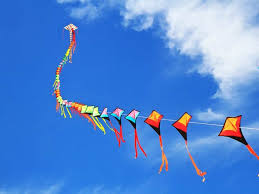
Kite festival or Makar Sankranti is celebrated in India on the occasion of the transition of the sun into the Northern hemisphere. At this time of the month everyone from 6 to 60 years can be seen on their terrace or field flying a small or big kites with their heads turned to the sky. The international Kite Festival in Jaipur is a three-day festival that is inaugurated near the Jaipur Polo Ground and is divided into two clear sections.This festival is celebrated on 14th of January every year, the day of Makar Sankranti.Makar Sankranti or 14th January is celebrated with a lot of fanfare and color every year. Red, blue, yellow, green, pink, orange, fushcia, indigo, ochre, gold and silver kites dominate the enchanting Jaipur skyline and add a romantic touch to ethereal pink Jaipur monuments. 


Many people take participation in the exciting competitions.This day finals of the Fighetr Kite Contest, prize distribution ceremony and a farewell dinner with the Maharaja are some of the events that are held on the last day of the festival.Indian Air Force helicopters commence the Makar Sankranti festivities by releasing kites from the sky, while hundreds of schoolchildren release balloons together from the ground.The Jaipur Tourism Development Corporation organises the International Kite Festival at a local stadium, where kite enthusiasts from all across the world show off their skills.
A number of international kite flyers will show their skills of flying artistic kites. These flyers are from the USA, Canada, the UK, Holland, Belgium, Singapore, Malaysia and Indonesia. The special feature of these kites is that they measure as much as 4 to 5 meters across and are in shapes like dragons, birds, fish and other geometrical designs.Similarly, kite flyers from pan-India – Mumbai, Mangalore, Dahanu, Rajkot will also bring their colourful creations to fill the skies of Jaipur. A number of artistic kite makers will also partake in the festival.

History of International Kite Festival of Jaipur

The international Kite Festival in Jaipur has a long-standing history. The custom of flying kites is associated with Makar Sankranti. People celebrate the blessed day by flying kites, from their rooftops. Kite flying competitions are also organized on this festival.

People fly kites on Makar Sankranti because they receive the benefits of sun exposure. During winter, our body gets infected and suffers with cough and cold and the skin also gets dry during this season. When Sun moves in Uttarayan, its rays act as medicine for the body. During kite flying the human body is continuously exposed to sun rays, which eradicates most of the infections and in sanitation. 

International Kite Festival Jaipur 2017 Date: 13th January to 14th January

How To Reach Jaipur

By Air: Jaipur has own Airport  ,so Nearest Airport is Jaipur Airport.(13 KM)

By Rail: The Nearest Railway station is Jaipur Railway station.

By Road: There are many public and private vehicals available to reach Jaipur.

Picture Gallery of International Kite Festival Jaipur


Related Links

Read More »

Monday, December 5, 2016

International Human Rights Day-About International Human Rights Day-History-Celebration

Human Rights Day is celebrated every year on 10th December. This day is celebrated internationally to honor 10th Dec 1948, when the United Nations adopted the Universal Declaration of Human Rights at Palais de Challoit, Paris after the experience of the Second World War. Human rights day was officially established in the meeting of United Nations General Assembly on 4th of December in 1950.All the member states and interested organizations were invited to celebrate this day. The High Commissioner office of the Human Rights was awarded by the Guinness World Record for the collection, translation (around 380 languages) and distribution of the worldwide announcement of the Human Rights. At this event celebration, a global discussion on the human rights is also hosted by the High Commissioner through the social media websites.

It aimed to form a basis for human rights all over the world and represented a significant change of direction from events during World War II and the continuing colonialism that was rife in the world at the time. The Universal Declaration of Human Rights is considered as the most translated document in modern history. It is available in more than 360 languages and new translations are still being added. 


Human Rights Day History


Human Rights Day was established in 1948, and ever since that auspicious day it has stood as the first major stride forward in ensuring that the rights of every human across the globe are protected. From the most basic human needs such as food, shelter, and water, all the way up to access to free and uncensored information, such has been the goals and ambitions laid out that day.

The Universal Declaration of Human Rights (UDHR) was a shout across the world by the leading countries in the world, stating loud and clear that no matter where we live, what we believe, or how we love, we are each individually deserving of the most basic fundaments of human needs. Every year Human Rights Day marks conferences around the world dedicated to ensuring that these ideals are pursued, and that the basic Human Rights of every person is made a priority in the global theater.


Human Rights Day Celebration


The first and foremost way to celebrate Human Rights Day is to take some time to appreciate the effect that this resolution has had on your world and life. Look around your neighborhood and see the effects on a local scale, the charitable works being done to promote the health and well-being of those who are less fortunate.

The next step is to get out there and make a difference, whether it’s simply making a donation to one of the dozens of organizations that work towards this global purpose, or organizing a donation drive of your own to help out those organizations fighting the good fight.

Don’t think that your gestures have to be grand, simply gathering enough to put together a bunch of care packages of simple needs and necessities and handing them out amongst your local homeless can go a long way to helping to support this cause. The need is large, but is made of limitless minor actions that can lead to a world-wide change in quality of life.

Read More »

Tuesday, November 1, 2016

Vautha Fair(Mela) a big Animal Fair Celebration Near Ahmedabad Gujarat

Vautha fair is held every year at Vautha, where two rivers, the Sabarmati and the Vatrak meet. This  fair is also call Saptasangam it is at the confluence of seven rivers.Here is Some information about Vautha Fair just 50 Km from Ahmedabad city Gujarat india.

Location: Vautha, Taluka: Dholka, District: Ahmedabad
Duration: 5 Days
When: During Kartika Purnima, the full moon night on Dev Diwali (Oct-Nov)
Dedicate to : Lord Kartikeya
Area: 3 Squre Miles
Visiting Duration: Minimum 6 hours
Nearest Raiway station: Ahmadabad Railway  Station(50 Km)
Nearest Airport: Ahmadabad Airport(50Km)


More Information about Vautha Fair


The Biggest animals Fair of Vautha is located every year at Vautha, where two rivers, the Sabarmati and the Vatrak meet.This  fair is also call Saptasangam . it is at the confluence of seven rivers.The fair is celebrated on Gujarati month Kartik Purnima(full moon day), Dev Diwali festival day and According to Georgian calendar the fair is held month of October -November.The fair is edicated to Shiva-Parvati Son Lord Kartikey.  This place is the meeting place of 7 rivers (saptasangam) (particularly sabarmati and vatrak meets here) namely sabarmati ( origin: Aravalli ), vatrak ( origin: Kheda ), majum ( origin: kapadwanj ), khari ( origin: matana madh village ), meshwo ( origin: shamlaji ), shedhi (origin: Thamna and khijalpur) and hathmati(origin: fatepur village).


Vautha Fair ,which involves wholesome trading of Camels, Donkeys and other animals.About 4,000 donkeys are arrive every year for sale, usually by Vanjara traders.Excited traders come with their animals which are decorated with flowers and other shining stuffs making them look very attractive.  Held on the grounds of Sangam Tirtha, it is considered very auspicious and important by many communities. This fair is visited by people from different parts of the country as well as from outside India.Handicraft and food stalls with tented pastoral settlements come up during the fair.Many Mari go rounds, and food stalls,toy shops arrange here.More than 500000 visitors come here and enjoy Vautha fair every year.  

History of Vautha Fair

According to the Hindu mythology, Kartikeya the son of Lord Shiva visited this place on the full moon night of  Kartik (Kartik Purnima). Kartikeya was on a trip covering the entire earth. It was on Kartik Purnima that he stopped at this culmination of rivers and performed some austerities. Also the city of Dholka in the Ahmedabad district is considered to be the‘Virata Nagar’ of  the Mahabharata where the Pandavas spent the last year of their exile in disguise. 

Celebrations of Vautha Fair

Vautha Fair is Large Celebration in Vautha Gujarat on Dev Diwali.Thousands of people and visitors visit Sangam during the month of kartik and especially during the Vautha Fair. The most important religious act performed by numerous devotees coming here is the purifying bath on the Sangam tirtha which is supposed to be reliever of all past sins. During the fair before people start engaging in the trading of the animals is that they take a holy dip in the water of the Sangam Tirtha as it is said that it will wash their sins down.

All people from nearby villages and districts lock their houses and come to attend the fair which lasts for about five days. A number of tents are erected that are used by visitors of the fair to accommodate. Nearly 25,000 people house in about 2000 tents every year and enjoy the grand spectacle of the Vautha fair.


Visitors are seen preparing elaborate sweets and food dishes throughout the five days of fair. The fair generally ends with the preparation of Ladoos and the most popular and appreciated dishes are khichu and kachariyu.One can notice people dressed in new clothes and traditional attires coming to the fair with friends and families. The entire place is enveloped in an atmosphere of joy and fun.


How To Reach Vautha Fair

By Road: There are many public and private vehicles available to reach Vautha fair. This village supports well maintained roads and even various local and regular buses run all day and provide economic transportations. 

By Rail: The Nearest Railway station Ahmedabad Railway station just 50 Km from Vautha Fair.

By Air: The Nearest Airport is Sardar Patel International Airport Ahmadabad just 50 Km from Vautha Fair.

Vautha Fair Video


Vautha Fair Pictures

Read More »

Friday, October 28, 2016

Dhanteras(Dhanvantari Triodasi) Festival History, Legends and Story

Dhanteras is a first day festival of the great and famous Hindu festival, Diwali which is the five-days long festival and celebrated in Varanasi and traditionally all over the India. Dhanteras festival is celebrated on triodasi of the Krishna Paksha (the dark fortnight).Here is information about  Dhanteras festival History , Legends and story.


There is an interesting story behind celebrating the Dhanteras festival. It is considered that, once upon a time, King Hima’s sixteen year old son was destined to pass away just by the snake-bite on the fourth day of his marriage. His wife was very clever and she did not allow her husband to sleep on 4th day of the marriage. She arranges some gold ornaments as well as a lot of silver coins and made a large heap at the doorway of her husband. She also made light with the help of numerous lamps all around the place of his husband.

When the God of death, (Yama), came to his husband in the appearance of a snake, his eyes got sightless by the dazzling light of the lamps, silver coins and gold ornaments. So the lord Yama could not get entered into his chamber. Then he tried to ascend on top of the heap and started to listen the harmonious songs of his wife. Early in the morning, he had to gone away without taking her husband. Therefore the very young and newly married wife had saved her husband life from the death. That’s why, the Dhanteras is also known as the Yamadeepdaan. Diyas or candles are kept blazing during the whole night in respect to the God Yama.

Another myth is, a long ago Gods and demons stirred the ocean to get Amrita or nectar, after many days the Lord Vishnu had came out on the day of Dhanteras having a jar of the elixir.


Dhanteras Story


According to ancient legends, the celebration of Dhanteras is attributed to the story of the sixteen year old son of king Hima. Predictions were made that he would die of a snake bite on the fourth day of his marriage.


Four days hence his marriage, his newly wedded wife, being aware of this prediction laid out all her ornaments along with coins made of precious metals of gold and silver in a heap at the entrance of her husband's sleeping chamber and furbished the whole place with lamps.

Then, all night long she narrated stories and sang songs to keep her husband from falling asleep. It is believed, that when Yama, the God of death, arrived under the guise of a snake, he found himself unable to enter the prince's chamber as he was dazzled and blinded by the light of the lamps and jewellery, and so he climbed the heap of ornaments and coins and listened to the melodious songs of the wife.

In the morning, he quietly went away sparing the life of the prince. In this manner, the young wife saved her husband from the clasp of death itself. Hence, this day also came to be known as 'Yamadeepdaan'.

Another popular legend also associates itself with this festival. It believes in the appearance of Dhanvantari (physician of the Gods and an incarnation of Vishnu), with a jar of elixir on the day of Dhanteras during the cosmic battle fought between the gods and demons, who had churned the ocean for Amrita or nectar.
Read More »

Get Daily New Updates Like this Page